
🌳 Before You Hire a Tree Company, Make Sure They Are Licensed!Verify Now →
Tree Pruning in Pequannock, NJ

Pequannock, Morris County · Tree Pruning

Tree Pruning in Pequannock, NJ

ANSI A300-compliant pruning by ISA Certified Arborists serving Pequannock.

Service 02

Tree Pruning in Pequannock

Corrective and preventive cuts informed by ISA practice.

Pequannock pruning is typically scheduled 1–3 weeks out depending on season; structural pruning is best booked in late fall for winter execution.

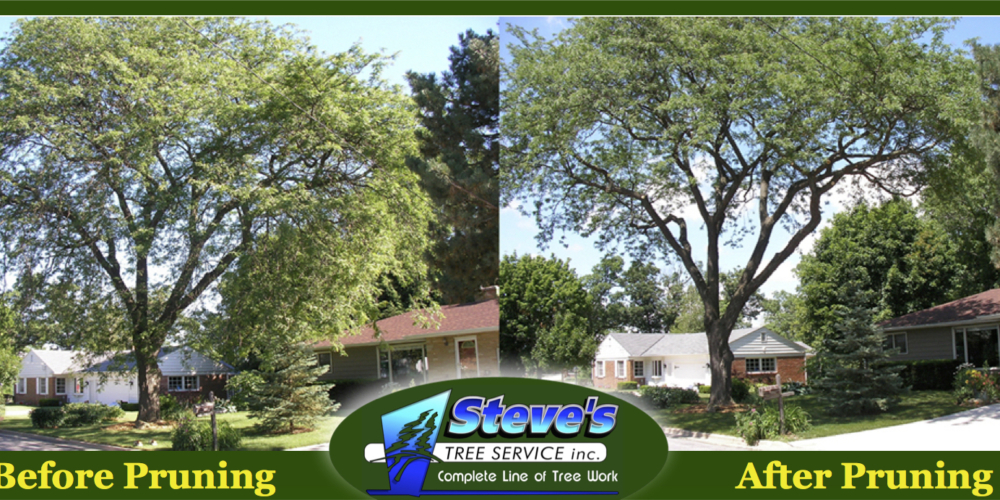
Improper pruning is the most common — and most damaging — mistake made on Pequannock trees. A bad cut is permanent. Our certified arborists prune the silver maple and boxelder of Pequannock to ANSI A300 standards, with structural cuts placed at the proper collar so your tree seals cleanly and lives longer.

Most Pequannock properties feature a mix of silver maple, boxelder, river birch, eastern cottonwood — each with its own pruning calendar. We avoid pruning silver maple during the active wilt window, and we structurally prune young boxelder in late winter dormancy when wound response is strongest.

Our climbers move through the Pequannock canopy on modern climbing systems — never spurs, which wound the cambium of trees we intend to keep. Every significant cut is discussed with the homeowner before it happens.

On the heritage trees throughout West Parkway, Boulevard, Newark Pompton Tpke, we follow the 25% rule: no more than a quarter of the live canopy is removed in a single season. On the older specimens we typically remove far less.

Tree pruning in Pequannock

A pruning plan built around Pequannock's canopy

Tree pruning in Pequannock is not the same as simply cutting limbs back from the roof. We evaluate species, age, structure, target clearance, sun exposure, and how the tree is likely to respond after the cut. That matters on Pequannock properties because silver maple, boxelder, river birch, eastern cottonwood all react differently to crown thinning, raising, and reduction pruning.

Before a climber leaves the ground in Pequannock, the lead arborist identifies deadwood, crossing limbs, weak unions, storm-torn branches, and clearance issues over roofs, driveways, sidewalks, and utility approaches. The result is a cleaner canopy without stripping out the character that makes Pequannock's mature shade trees valuable.

  • Crown cleaning for dead, diseased, broken, or rubbing limbs in Pequannock
  • Structural pruning for young silver maple and boxelder
  • Selective clearance over Pequannock roofs, gutters, driveways, patios, and walkways
  • End-weight reduction for limbs exposed to post-flood root zone instability — trees that look healthy after high water often have compromised root plates
Pequannock tree health

Tree pruning that protects long-term health in Pequannock

Many Pequannock pruning calls start with a simple request for more light or fewer branches over the house. We address that need while avoiding topping, lion-tailing, flush cuts, and over-thinning — the shortcuts that create decay pockets and weak regrowth.

Because Pequannock includes low river-bottom soils along the Pompton and Pequannock rivers — saturated, with elevated windthrow risk, we also consider moisture stress and wind loading. A heavy limb on one side of the canopy may be a clearance issue today and a storm-failure risk next season, especially near Pompton River and Sunset Road bridge and Pequannock Township Park.

  • ANSI A300 pruning standards followed on every Pequannock property
  • No climbing spurs used on living trees we are preserving
  • Species-specific timing guidance for Pequannock homeowners
  • Clean jobsite finish with brush chipped and lawns cleared
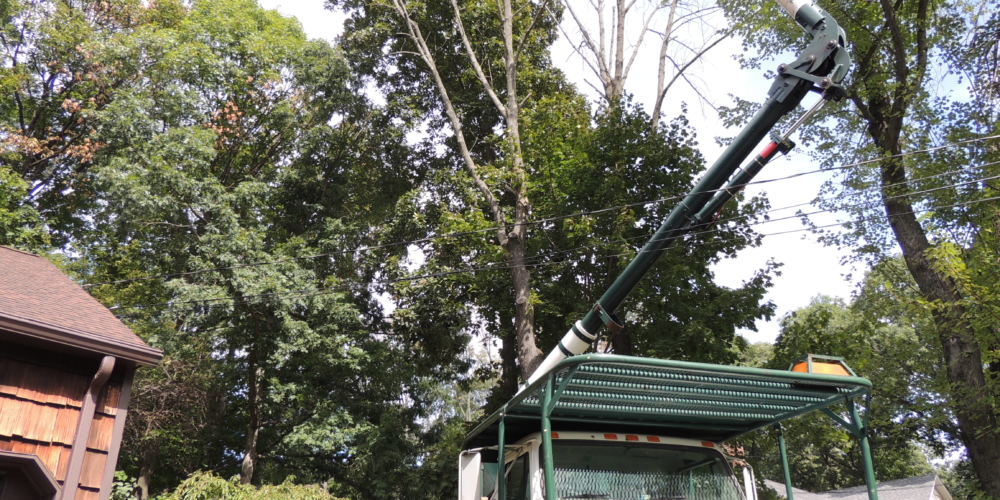
Tree Pruning crew at work in Pequannock, NJ

Why Pequannock chooses Steve's

Every tree pruning job in Pequannock, completely.

  • ISA Certified Arborists trained in ANSI A300
  • Spur-less climbing — we never wound trees we keep
  • Species-specific timing for silver maple and boxelder
  • Crown cleaning, thinning, raising, restoration
  • Documentation suitable for HOAs and insurers

Also included on every job

  • ANSI A300-compliant cuts at the proper collar
  • Crown cleaning, thinning, and raising
  • Structural pruning for young trees
  • Deadwood and hazard reduction
  • View, light, and clearance pruning

Local to Pequannock

Pruning specific to Pequannock's canopy

Pequannock's low river-bottom soils along the Pompton and Pequannock rivers — saturated, with elevated windthrow risk produces particular growth patterns: heavier weight in the leeward canopy, faster epicormic shoots after storm damage, and species-specific union weakness in silver maple.

Pruning here also has to navigate post-flood root zone instability — trees that look healthy after high water often have compromised root plates, which means we plan staging, drop zones, and brush-removal routes before the first climb.

After the last three named storms we've performed dozens of root-plate assessments in West Parkway — we know which streets flood first.

Working in Pequannock

After the last three named storms we've performed dozens of root-plate assessments in West Parkway — we know which streets flood first.

Near: Pompton River · Sunset Road bridge · Pequannock Township Park

Service area

West Parkway, Boulevard, Newark Pompton Tpke — ZIP 07440.

Common species

silver maple, boxelder, river birch, eastern cottonwood.

Response time

post-storm assessments dispatched within hours.

Our Tree Pruning Process in Pequannock

Measured. Methodical. Documented.

01

Diagnose

Identify deadwood, structural defects, and pruning objectives with you.

02

Plan cuts

Mark and discuss significant cuts before they happen — no surprises.

03

Climb

Spur-less ascent. Each cut placed at the branch collar for clean closure.

04

Clean

Brush chipped on site, lawn cleared, gutters and roofs swept.

Tree Pruning in Pequannock — FAQ

Questions, answered.

When is the best time to prune in Pequannock?+

Most species in Pequannock prune best during late winter dormancy (February–March). Oaks should not be pruned April–July to avoid oak wilt — a real concern given the prevalence of oaks here. We'll advise on timing per species at your free assessment.

How often should mature trees in Pequannock be pruned?+

Most mature shade trees benefit from a structural prune every 3–5 years. Younger trees in your first 10 years on the property — common in newer Pequannock construction — benefit from annual training cuts to set lifelong structure.

Can pruning prevent storm damage in Pequannock?+

Yes — selective weight reduction, end-weight pruning, and union cleaning measurably reduce failure rates. Given post-flood root zone instability — trees that look healthy after high water often have compromised root plates, we recommend a pre-storm-season pruning visit for at-risk specimens.

When is the best time to prune?+

Most species prune best in late winter dormancy. Oaks should be avoided April–July to prevent oak wilt. We'll advise per species.

How much should be removed at once?+

ANSI standards recommend no more than 25% of live canopy per season. We almost always remove less.

Will pruning hurt my tree?+

Done correctly, no — it extends life. Done poorly, it can be terminal. The difference is the arborist.

Ready to begin

Request tree pruning in Pequannock.